
One-Minute Rules, Endless Fun

Welcome! Today we are exploring Board Games You Can Teach in 60 Seconds, celebrating lightning-fast rules that turn strangers into teammates and skeptics into fans. With crisp objectives, tiny components, and clear turn rhythms, these games ignite laughter, table talk, and replayable challenges before the snacks disappear. Expect practical scripts, real stories from game nights, and flexible tips that help every group start quickly, avoid confusion, and finish smiling, even when time is short and attention spans wander.

Why Quick-Learn Games Win Game Night

Short, sharp rule explanations keep energy high and hesitation low, which is exactly what you want when friends arrive tired or skeptical. Accessible goals and minimal setup invite everyone to join, while fast first turns create momentum. People discover they do not need to read a booklet or memorize complex exceptions. Instead, they can jump straight into laughs, little victories, and friendly rivalries that bloom naturally within minutes, sustaining the vibe through multiple rematches.

Speed Melts Hesitation

When the explanation takes under a minute, no one worries about wasting the evening learning something complicated. The game becomes an invitation, not a chore. New players feel respected, regulars feel energized, and the table begins together, not splintered into readers and waiters. Speed lowers the risk of boredom, making curiosity the default reaction and opening the door to spontaneous fun.

Momentum Keeps Everyone At The Table

A swift teach creates immediate motion: shuffling, drafting, revealing, or rolling within moments. That kinetic start avoids awkward pauses and helps players learn by doing. Because turns come quickly, nobody drifts to their phone or wanders to the kitchen. Momentum gives structure to the evening, converting casual interest into shared engagement, and the game’s rhythm, once established, carries naturally into repeat plays and friendly best-of-three challenges.

Perfect For Mixed Company And Short Breaks

Quick-learn games adapt beautifully to family gatherings, post-dinner lulls, office lounges, and convention hallways. They respect limited time, embrace varying attention spans, and welcome players who have not touched a game in years. With clear objectives and tiny rule footprints, these sessions can fit between conversations, during a coffee break, or while waiting for late arrivals, keeping groups connected without logistical stress or intimidating expectations.

Core Mechanics That Click Instantly

Drafting With Visible Progress

Drafting works brilliantly when players can literally see their collection improving each pick. Each chosen card clarifies the end goal, and the act of passing provides structure without requiring jargon. After one guided pick, newcomers feel empowered to choose again, creating an intuitive loop where progress is concrete, turns are brisk, and strategy emerges naturally from the options sliding across the table without complicated iconography or nested exceptions.

Push-Your-Luck And Immediate Stakes

Push-your-luck delivers instant drama because the risk is obvious and the reward is tangible. Flip one more card, roll one more die, or stop now and bank points. New players recognize the heartbeat of the decision immediately. They learn by watching one brave success or spectacular bust, laughing in relief as the lesson lands. This clarity produces contagious energy and requires almost no prior experience to feel thrilling and memorable.

Pattern Recognition Without Heavy Arithmetic

Humans love spotting simple patterns: matching colors, sequential numbers, or complementary icons. Games that reward these instincts teach themselves with a single demo turn and a quick scoring example. There is no need for complex calculations or long memorization. The table learns together by aligning pieces into recognizable shapes, celebrating satisfying little wins, and gradually discovering smarter arrangements without ever pausing for dense rule paragraphs or intimidating reference sheets.

One-Minute Rule Scripts You Can Read Aloud
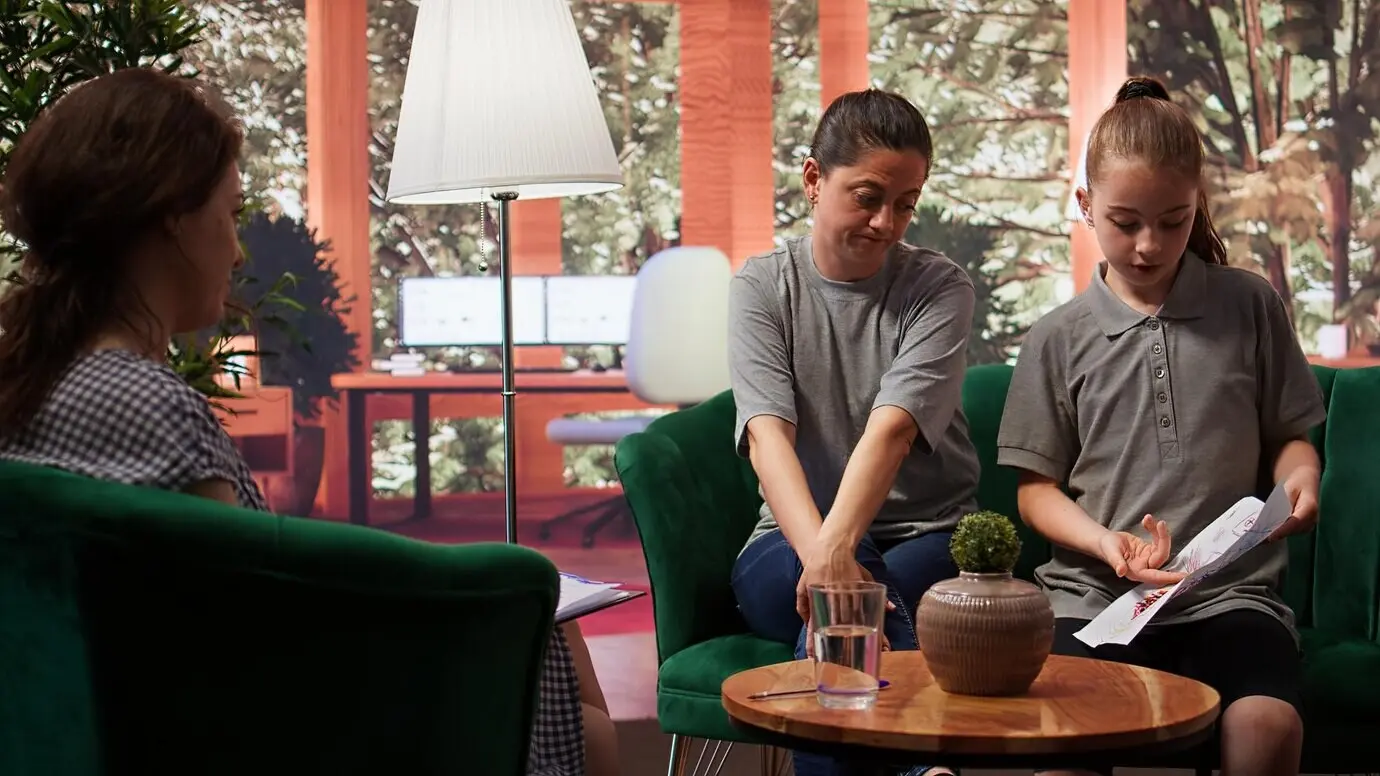
A great micro teach follows a repeatable pattern: name the objective, show the turn structure, then explain how the game ends and scores. Skip lore, minimize exceptions, and use familiar analogies. Deliver one clean example turn, then start playing. If a corner case appears, resolve it kindly during play. This style respects time, reduces anxiety, and turns explanations into a friendly invitation rather than a lecture with unnecessary detours or intimidating terminology.

Families And Casual Friends

Reach for Sushi Go, No Thanks, or Point Salad when ages and moods vary. Explain collect sets that score together, avoid picking high penalties, and pass cards to shape your best plate. Show one draft, one avoidance, and one quick scoring tally. The bright art invites conversation, the rules feel friendly, and rounds fly by, letting grandparents, teens, and first-timers enjoy the same table without pressure or complicated bookkeeping.

Strategic Minds With Little Time

For a sharper bite, hand out For Sale, 6 Nimmt, or Love Letter. For Sale compresses auctions and market timing into two teachable phases. 6 Nimmt turns number placement into sneaky herd management. Love Letter creates swift deduction with micro-hands. Give a single example turn for each, emphasize the immediate consequence of choices, then jump straight in. Strategic depth emerges remarkably fast, yet the rule burden remains refreshingly light and approachable.

Loud Party Energy

Skull thrives on daring bluffs and spectacular reveals, while Anomia erupts into hilarious shout-outs when matching symbols collide. Coup adds delicious tension with hidden roles and bold challenges. Teach the core action in one sentence, roleplay one quick reveal, and let the table explode with laughter. These games reward expressive players, generate unforgettable moments, and keep rounds short so nobody feels stuck after a risky call or early elimination.

Teaching Tricks From Real Tables

Over countless living rooms, cafes, and convention hallways, the same patterns shine: visuals beat verbiage, empathy beats authority, and momentum beats perfection. A tiny turn walkthrough calms nerves. A friendly, confident tone invites questions. Clear fallback rules prevent stalls. When you prioritize shared understanding over comprehensive coverage, players discover nuance during play, not during a lecture, and they thank you with focus, laughter, and one more round now that everyone feels engaged.

01

Draw It, Do Not Drone It

A napkin sketch of turn order or a quick layout of three example cards often accomplishes more than everything else combined. Tiny diagrams anchor attention and memory, particularly for visual learners or tired friends. When rules feel abstract, drawing makes them tangible. Players point, nod, and mirror what they see, shrinking confusion into curiosity. This small habit trims minutes from explanations and adds confidence before the first decision even happens.

02

Use Countdowns And Checkpoints

Promise a sixty-second teach and hold yourself to it. Start a friendly countdown and finish with two checkpoints: everyone knows the goal, everyone knows what to do on their first turn. Invite one clarifying question, then begin. Establishing a brisk pace communicates that the game is light and welcoming, which prevents perfectionism from stealing the spotlight and allows natural discovery to carry the remaining learning through energetic, fully engaged play.

03

Resolve Disputes Kindly And Move

Adopt a default tiebreaker or a gentle house rule to prevent stalls, and record any uncertainties for after the round. A calm, fair ruling protects momentum without alienating anyone. Celebrate questions, thank the asker, and keep cards moving. Later, check the official rule text together if needed. This approach protects the social fabric while honoring accuracy, ensuring the evening remains friendly, focused, and full of satisfying decisions rather than lengthy debates.

The 60-Second Challenge

Set a timer and explain a familiar game in a single minute. Record your pitch, then immediately play two rounds to test clarity. Ask newcomers what clicked and what felt fuzzy. Revise your words and share the improved version with your group. This playful drill builds confidence, reminds you to prioritize essentials, and transforms teaching into a creative craft you can celebrate, compare, and continuously sharpen with friends everywhere.

House Rules, Responsibly Tested

If your table loves a twist, document the change on a sticky note and track its impact across three plays. Did downtime shrink, did laughs spike, did scoring skew? Keep what delights, discard what undermines tension. Share your findings with our community so others can learn too. Thoughtful experimentation strengthens your intuition and keeps familiar games fresh without drifting into confusion or creating hidden traps for brand-new players.
Xelanopravistumio
Privacy Overview

This website uses cookies so that we can provide you with the best user experience possible. Cookie information is stored in your browser and performs functions such as recognising you when you return to our website and helping our team to understand which sections of the website you find most interesting and useful.